
You may have come across the burning sensation in your mouth after eating a hot pepper or trying an especially spicy sauce and thought to yourself what is this spiciness. This is how we begin a journey into the world of spiciness, understanding the chemistry behind the strong flavors, the health effects, the different cultures that adopted spiciness and much more
Spicy Chemistry
The chemistry behind spiciness
The main substance responsible for spiciness in peppers is called capsaicin.
Capsaicin is a chemical compound that binds to receptors found on the tongue and causes the familiar burning sensation. These receptors, called TRPV1 receptors, were originally meant to sense physical heat and therefore the brain interprets the feeling as heat.
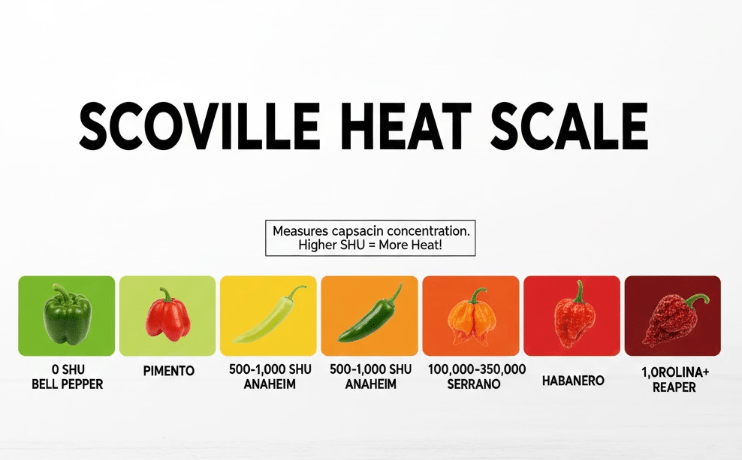
The Scoville scale the measure of spiciness
Spiciness is measured using the Scoville scale.
This scale is determined by measuring the amount of capsaicin in a specific pepper. The higher the number, the spicier the pepper.
Peppers like jalapeno have between 2500 and 8000 Scoville units, while the hottest pepper in the world reaches about 2200000 Scoville units.
The effect of spiciness on the body
When we consume something spicy, the capsaicin binds to the receptors in our mouth and causes the release of endorphins, the chemical substances in our body responsible for the feeling of pleasure. This is why many people enjoy eating spicy food and seek the spicy feeling again and again.
The different types of spiciness
Hot peppers
There are many types of hot peppers, and each brings different spiciness with different flavors. Here are some of the most popular:
Jalapeno a popular pepper with a relatively low level of spiciness.
Habanero a pepper with high spiciness and a fruity taste.
The hottest pepper in the world suitable only for the very brave.
Spicy sauces
Spicy sauces are common around the world and add heat to any meal.
Among the well known sauces are sriracha, tabasco and a hot sauce made from the hottest pepper.
Spicy spices
Spices such as chili, cayenne pepper and hot paprika are used to season dishes and add spiciness. These spices are common in various kitchens around the world and combine wonderfully with a wide variety of dishes.
The health effects of spiciness
Health benefits
Consuming spicy food can bring many health benefits:
Improving metabolism capsaicin raises the metabolic rate and helps burn calories.
Pain relief capsaicin is also used as a pain relieving substance in certain cases.
Strengthening the immune system consuming hot peppers can help strengthen the immune system.
Improving mood the endorphins released after eating spicy food can improve mood and reduce stress.
Disadvantages and risks
Like everything, consuming spicy food also has risks:
Stomach burns excessive consumption of spicy food can cause stomach burns and pain.
Skin and eye irritation it is important to be careful with contact with hot peppers to avoid irritation.
Effect on the digestive system sensitive people may experience digestive problems after consuming spicy food.
Cultures and spicy food
The kitchen known for its extensive use of hot peppers such as jalapeno and chili. Dishes are seasoned with hot sauces and are symbols of the local culture.
Another kitchen known for spicy food that is based on hot pepper mixtures. Dishes such as spicy papaya salad are popular among spicy food lovers.
A kitchen rich in spices and hot peppers combined in almost every dish. Dishes contain spicy spices that make the food tasty and stimulating.
How to deal with spiciness
Tips to calm the spiciness
If you find yourself with a burning sensation in your mouth, here are a few tips to ease it:
Milk and dairy products help ease spiciness.
Bread and rice absorb capsaicin and ease the spiciness.
Sugary drinks sugar helps neutralize capsaicin and calm the spiciness.
Myths about spiciness
There are many myths about spiciness, such as drinking water that increases the burning or eating ice that calms it. It is important to understand what really works to deal correctly with spiciness.
Stories and anecdotes about spiciness
Pepper eating competitions
Around the world there are competitions where participants try to eat the hottest peppers and survive the burning. These competitions attract brave individuals who want to test the limits of spiciness.
Personal stories
Many people share stories about their experiences with spicy food, from the beginning of their love for spiciness to trying the hottest peppers. These stories give us a glimpse into the excitement of spicy experiences.
Spiciness is not just a taste but a full experience that affects the body and mind. From the chemistry of capsaicin to the cultures that embrace spiciness, there are many aspects of spiciness that give it a special place in the culinary and health world.