
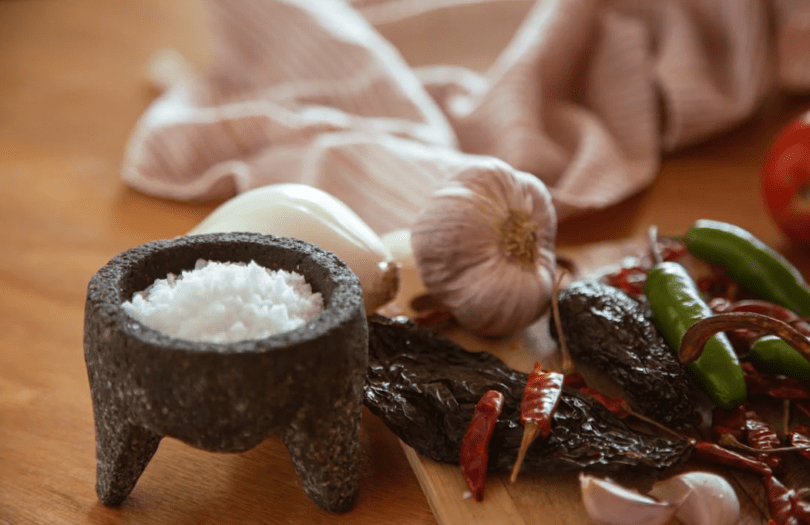
Spicy peppers
Their main strength is due to capsaicin, the central active compound responsible for many of their medicinal properties.
Feeling cold? Heat up with vegetables that can warm you up, sometimes even to a burning sensation. Beyond the warming feeling and spicing of food, the spicy pepper is a superfood in terms of health as well. Its main power comes from capsaicin, the central active compound responsible for many of its medicinal properties.
This powerful substance has been extensively researched in medical contexts, and it turns out that eating it can help in the treatment of various diseases.
In addition, spicy peppers are also rich in nutritional values that provide additional benefits.
Among other things, they contain vitamins C, B and A minerals such as potassium, calcium, iron, magnesium and sulfur, as well as many antioxidants.
Here are some reasons to convince you to spice up your winter menu.
- Immune System Boost
Capsaicin in spicy peppers has antioxidant and anti inflammatory properties that help the body fight infections and prevent various diseases, including those related to the immune system. Eating spicy food also activates immune cells and may help with autoimmune conditions such as colitis, diabetes, Crohn’s disease, asthma, arthritis, multiple sclerosis and lupus. - Blood Sugar Regulation
A study published in 2006 in the European Journal of Pharmacology found that consuming spicy peppers increases glucose absorption in the digestive system and enhances glucose utilization by body cells by reducing insulin resistance. Spicy is not a taste but a burning sensation felt in the pain receptors on the tongue, not the taste buds. Plants developed this sensation as a defense against animals so they would not eat them. The only animal that consumes spicy food is humans.
- Reduction of Bad Cholesterol (LDL)
Eating spicy food reduces LDL cholesterol levels and lowers blood pressure, helping to prevent cardiovascular diseases. For example, a study published in the Journal of the American College of Cardiology in 2019 showed dramatic results with a 61% reduction in stroke risk and a 44% reduction in mortality from heart disease following consumption of spicy peppers. - Clearing Respiratory Mucus
MRI studies have shown that regular consumption of capsaicin alleviates respiratory conditions such as colds, bronchitis, sinusitis, flu, and asthma. This is because it activates nerve sensors in the respiratory system that help clear mucus, promote fluid flow, and assist in its elimination from the body. - Dietary Boost
Hungry on cold days? You may not know, but eating spicy peppers can also help with dieting. They reduce appetite, create a feeling of fullness, and accelerate metabolism. A review article summarizing controlled studies found that eating spicy peppers increases energy production and fat oxidation, raising the body’s energy efficiency and significantly contributing to weight loss. - Stomach Ulcer Relief
If you suffer from ulcers, the bacterium Helicobacter pylori may be active, and spicy peppers are among the foods that inhibit it. Capsaicin prevents acid production, promotes blood flow to the stomach, and encourages the production of stomach lining cells. However, during heartburn attacks, it is recommended to avoid spicy foods. - Cancer Prevention
Consuming spicy peppers may help delay and treat certain cancers. For instance, a study published in the FASTEB Journal found that capsaicin helps treat lung cancer, including by destroying cancer cells through apoptosis (self destruction of cells).
Another study published in the Journal of Clinical Investigation in 2014 found that eating spicy peppers reduces the risk of colon cancer. - Mood Enhancement
Feeling down? Eat spicy peppers! Studies have shown that capsaicin consumption releases endorphins, which improve mood.
Capsaicin binds to pain receptors on the tongue, causing a burning sensation. In response, the brain releases hormones that induce positive feelings as a way to counter pain, similar to the good feeling after an intense workout.
Recipes to Spice Up Your Kitchen
Spicy Keto Pita
A low-carb, gluten-free, fiber-rich pita, suitable for a ketogenic diet.
Ingredients (for 5 units):
- 3/4 cup coconut flour
- 3 tablespoons psyllium powder
- 1/2 teaspoon of at least one spice or mix: chili powder, cayenne pepper, hot paprika, harissa
- 1/4 teaspoon fine salt
- 1/3 cup olive oil
- 1/2 cup herbs: dill, cilantro, parsley, thyme, oregano
- 1/2 cup boiling water
Instructions:
- Place dry ingredients in a food processor and blend until uniform.
- Add remaining ingredients and blend into a uniform dough. If the dough is hard to handle, add more boiling water.
- Roll 5 circles from the dough and flatten on a baking sheet lined with parchment paper.
- Bake in a preheated oven at 180°C (350°F) for 35–40 minutes. The pitas will puff up and are good for various spreads.
Tomato and Chili Pepper Dip
Perfect for dipping, pairs well with the pitas above.
Ingredients:
- 2 ripe peeled tomatoes
- 1 roasted and peeled chili pepper
- 2 chopped garlic cloves
- 2 tablespoons olive oil
- Juice of 1/2 lemon
- 1/4 teaspoon fine salt
Instructions: Mix all ingredients in a bowl and wait at least 10 minutes to blend flavors before serving.
Extra Tips
If you overdo the spice, do not drink water it spreads the burning sensation. Instead, eat bread with olive oil, rice, full-fat yogurt, or honey to relieve it quickly. Avoid excessive consumption as it may cause stomach pain.
External Benefits of Capsaicin
Capsaicin can also be used topically in creams for joint inflammation, muscle pain and neuropathic pain.
It numbs pain by blocking pain signals to the brain.